
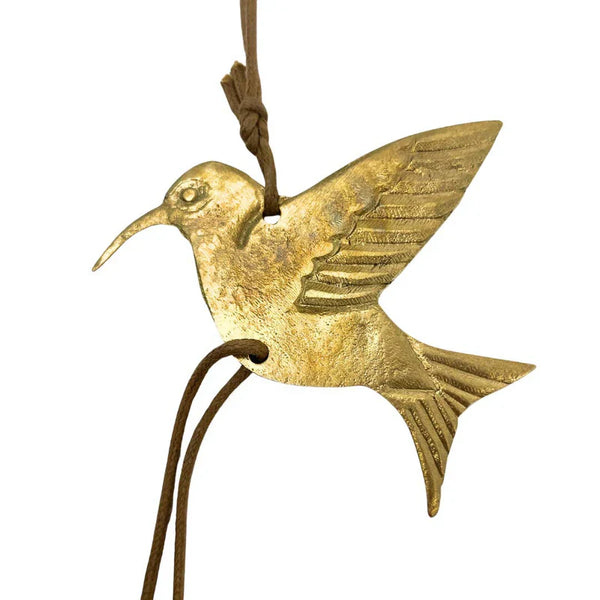
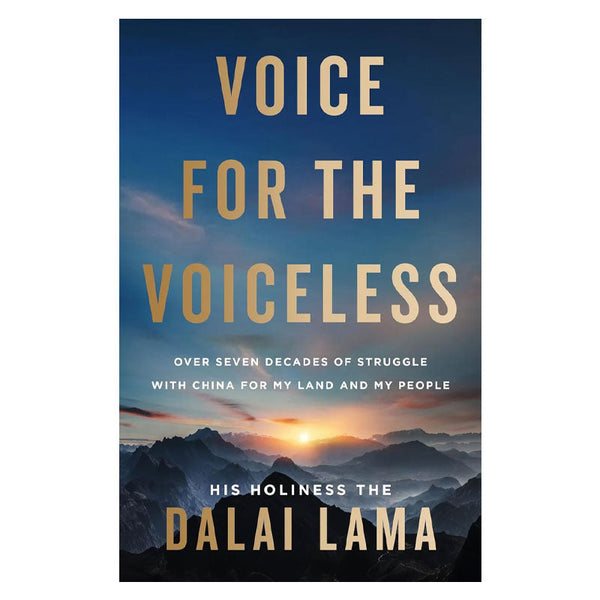
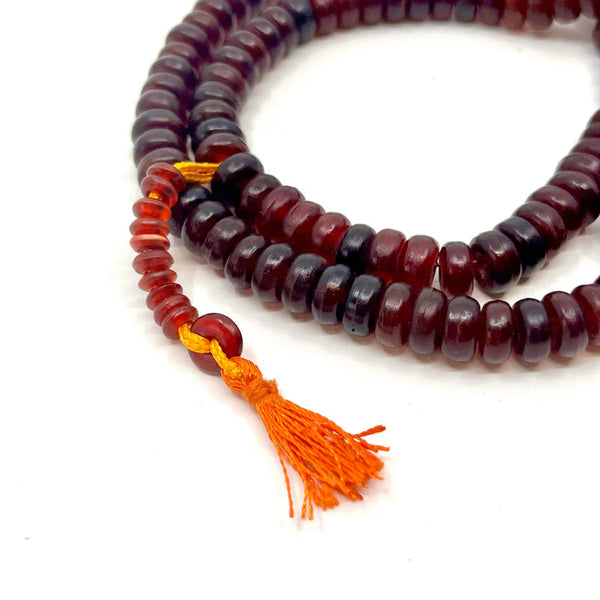
Explore Our Gift Shop!



HYBRID | IN-PERSON | ONLINE

HYBRID | IN-PERSON | ONLINE

HYBRID | IN-PERSON | ONLINE

ONLINE ONLY
Cultivating Emotional Balance: A 12-hour Basic Training | with Michael Lobsang Tenpa
Sat • Sep 12 • 01:00 PM
View Event
HYBRID | IN-PERSON | ONLINE

HYBRID | IN-PERSON | ONLINE

HYBRID | IN-PERSON | ONLINE

HYBRID | IN-PERSON | ONLINE
Monthly Buddhist Teachings | with Venerable Robina Courtin | July
Wed • Jul 15 • 06:30 PM
View Event
IN-PERSON ONLY

ONLINE ONLY

HYBRID | IN-PERSON | ONLINE
The Nine Stages of Shamatha (Calm-Abiding) Meditation | with H.E Gegye Yongyal Rinpoche
Fri • Jul 10 • 06:30 PM
View Event
HYBRID | IN-PERSON | ONLINE

IN-PERSON ONLY
Sound Meditation | with Franck Raharinosy, Mary Reilly Nichols, and Margot Langman | June
Fri • Jun 26 • 06:00 PM
View Event
HYBRID | IN-PERSON | ONLINE
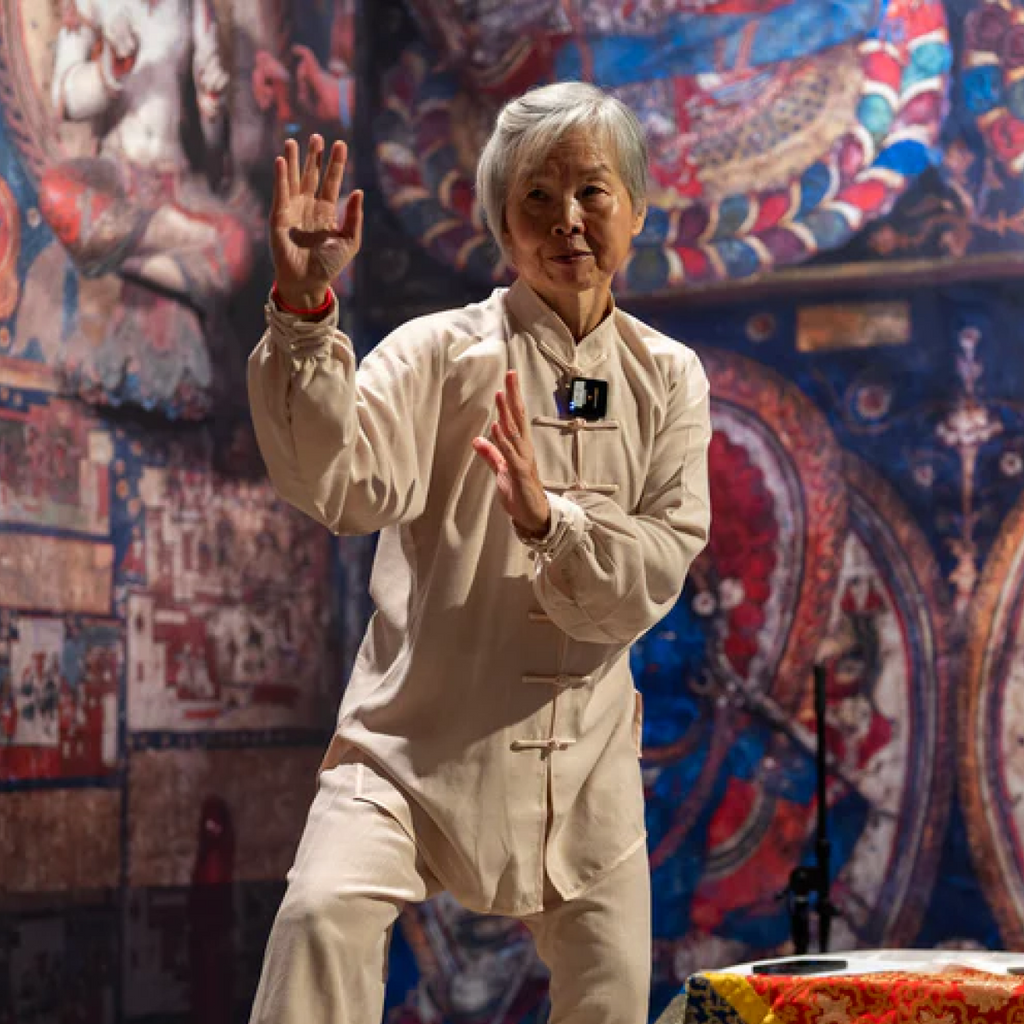
HYBRID | IN-PERSON | ONLINE

HYBRID | IN-PERSON | ONLINE
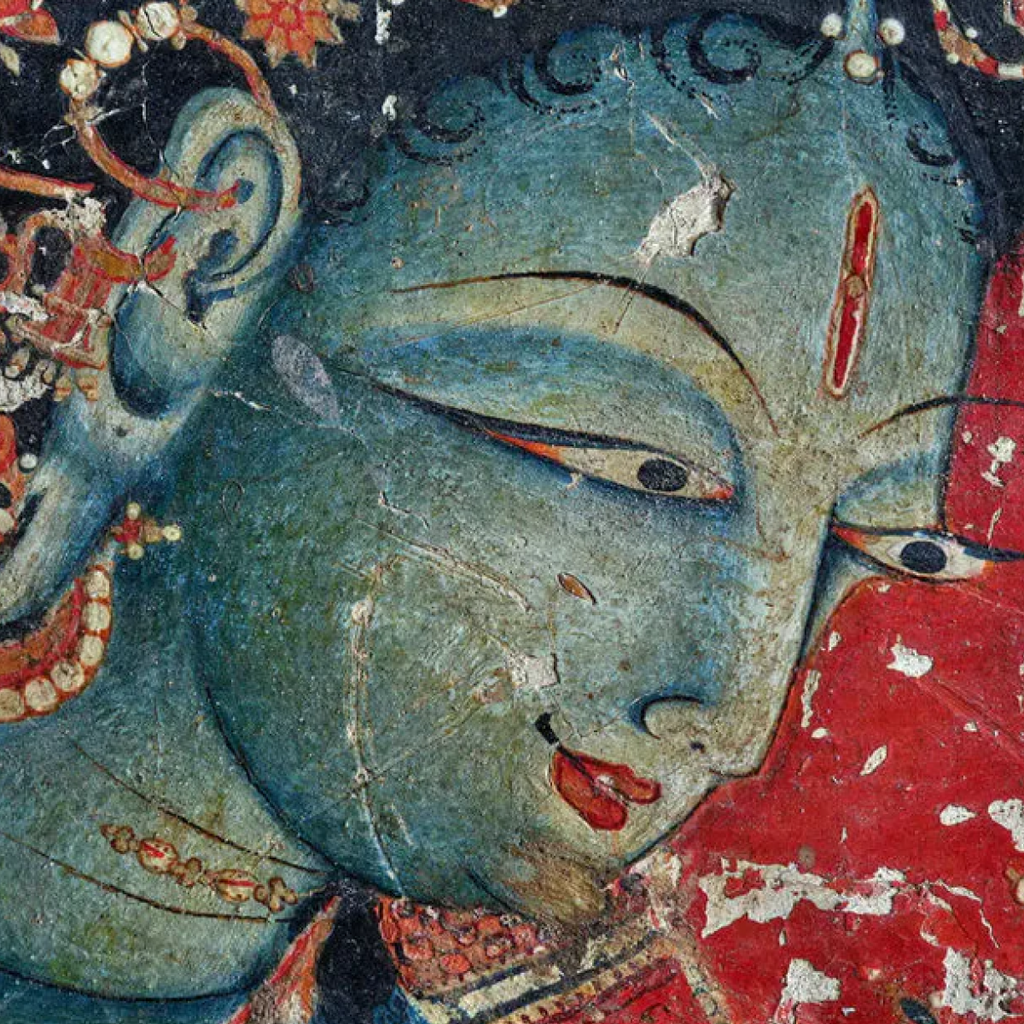
HYBRID | IN-PERSON | ONLINE

HYBRID | IN-PERSON | ONLINE

ONLINE ONLY
Pride Month Meditation: Celebrating Compassion | with Michael Lobsang Tenpa
Tue • Jun 16 • 06:30 PM
View Event
ONLINE ONLY

HYBRID | IN-PERSON | ONLINE
Daily Lunchtime Meditation | with Annie Bien, Tony Pham, and Nick Shopa | June
Mon • Jun 15 • 12:15 PM
View Event
IN-PERSON ONLY